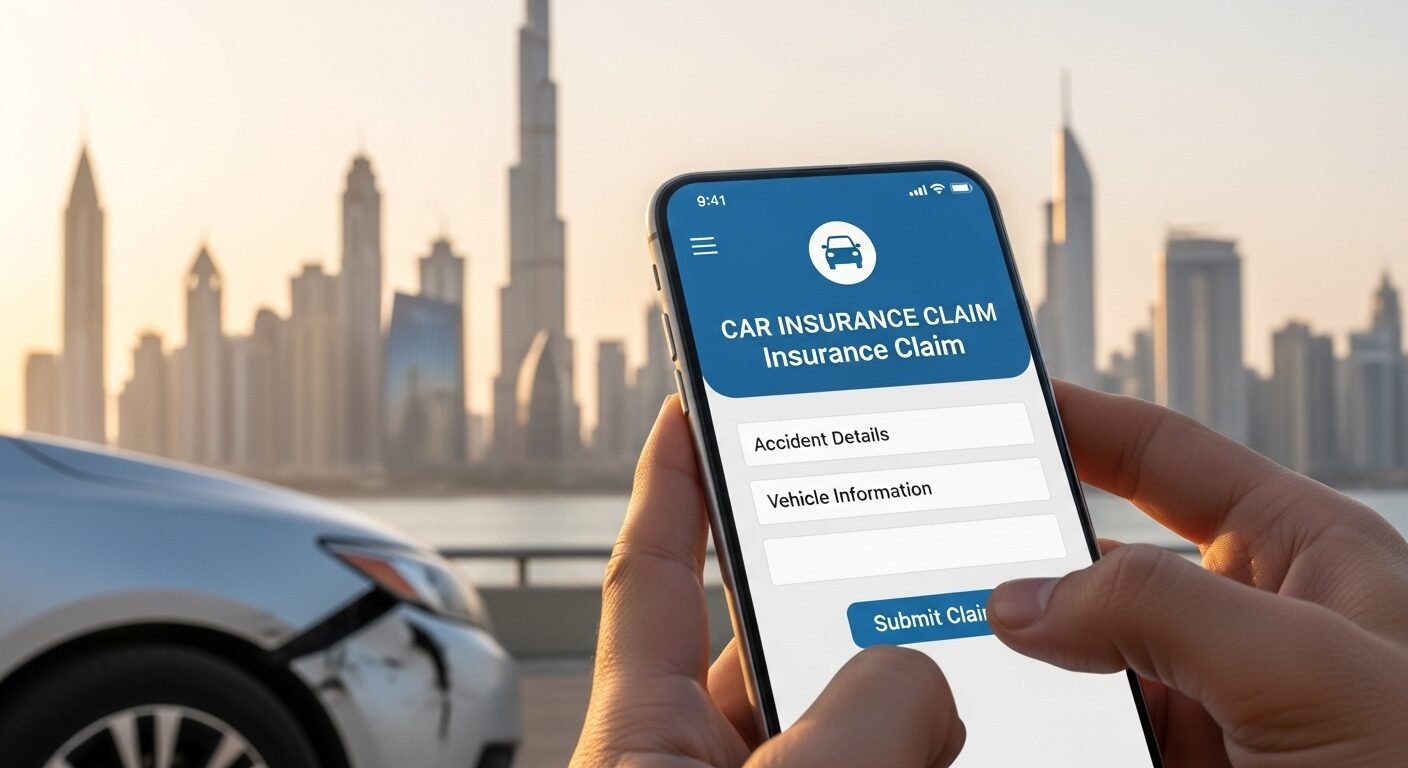
How to File a Car Insurance Claim in Dubai: Your Essential Step-by-Step Roadmap
The screech of tires, the sickening crunch of metal—an accident on Dubai’s bustling roads is a stressful event. In that moment of shock, knowing exactly how to file a car insurance claim in Dubai is the last thing on your mind. Yet, it’s this precise knowledge that transforms a chaotic situation into a manageable process, ensuring you get your vehicle repaired and your life back on track swiftly and fairly. Whether you’re a long-time resident or a new driver in the UAE, navigating the insurance claim labyrinth can be daunting. This comprehensive guide is your roadmap. We’ll walk you through every single step, document, and decision point, empowering you to handle a claim with confidence, avoid common pitfalls, and secure the settlement you’re entitled to under your policy.
Before the Accident: The Proactive Preparation You Can’t Afford to Skip
Filing a successful claim begins long before any incident occurs. Being prepared is your greatest asset.
- Know Your Policy Inside Out: Don’t just file your insurance certificate in the glovebox. Understand your coverage type (Comprehensive vs. Third-Party Liability), your excess/deductible amount, any specific repair network clauses (like authorized garages), and what add-ons you have (e.g., agency repair, roadside assistance). Is your policy from a local insurer or an international provider? This affects the process.
- Digital & Physical Documentation: Always keep a digital copy (photos on your phone, cloud storage) and a physical copy of your insurance policy, vehicle registration card (Mulkiya), and driver’s license in the vehicle. The Dubai Police app and your insurer’s app should be installed and your accounts set up.
- Essential In-Car Kit: Keep a high-visibility vest, warning triangle, first-aid kit, and a basic camera or ensure your phone camera is functional. This isn’t just for claims—it’s the law (Federal Traffic Law No. 21 of 1995).
Immediate Steps at the Accident Scene: Safety and Documentation
Your actions in the first 10 minutes are critical for safety and your subsequent claim.
- Ensure Safety First: If possible, move vehicles to the nearest safe spot (like the road shoulder) to avoid obstructing traffic and further collisions. Turn on hazard lights and place the warning triangle at a safe distance behind your vehicle.
- Check for Injuries: Assess yourself and others. If there are any injuries, call 999 immediately for police and ambulance. Do not move injured persons unless there is immediate danger.
- Do NOT Admit Fault or Liability: Even a simple “I’m sorry” can be misconstrued as an admission of guilt. Exchange information politely but stick to the facts when the police arrive.
- Gather Evidence Meticulously: Use your phone to take clear, comprehensive photos and videos:
- Overall scene from multiple angles, showing vehicle positions relative to road markings.
- Close-ups of all damage to every vehicle involved.
- License plates of all vehicles.
- Driver’s licenses and vehicle registration cards of all parties.
- Any relevant road conditions (oil spills, obscured signs, weather).
- Witnesses and their contact information, if available.
- Exchange Information: Politely share your name, insurance company name, and policy number. Collect the same from the other driver(s).
The Core Process: How to File a Car Insurance Claim in Dubai Step-by-Step
With the scene managed, you now initiate the formal claim process. This is the core sequence you must follow.
Step 1: Report to the Dubai Police (The Non-Negotiable First Step)
In Dubai, a police report is mandatory for almost all accidents to file an insurance claim. You have three primary channels:
- Dubai Police App (Recommended): For minor accidents with no injuries and where drivers agree on fault, use the “Accident Report” service. You’ll need both parties’ Emirates IDs, vehicle details, and photos. You receive an electronic report instantly, saving hours.
- Call Dubai Police (999): For accidents with injuries, significant damage, government property damage, or if the other party is uncooperative. Police officers will be dispatched to the scene.
- Visit a Police Station: If you didn’t report at the scene, you can visit the nearest police station. This is less efficient and may result in fines for not reporting promptly.
Key Document: You will receive a Police Report Number and a formal report. This document is the foundation of your claim and determines liability.
Step 2: Notify Your Insurance Company (The 24-Hour Rule)
You must inform your insurer within 24 hours of the accident, as per most policy terms. Delay can jeopardize your claim.
- How to Notify: Use their 24/7 hotline (keep the number saved), their mobile app, or their online customer portal. Provide your policy number, the police report number, and a brief description.
- What Happens Next: The insurer will open a claim file, assign a unique claim number, and appoint a surveyor/loss adjuster. They will guide you on the next steps, which often involve taking your car for an assessment.
Step 3: The Vehicle Assessment & Surveyor’s Inspection
The insurance surveyor will inspect the vehicle to assess the damage and verify it aligns with the police report.
- Where: This might be at a designated reporting center (like the insurer’s own garage), an authorized repair network garage, or sometimes at your location for minor damage.
- What to Bring: Your vehicle, driver’s license, vehicle registration, insurance policy, and the original police report.
- Outcome: The surveyor prepares an assessment report detailing the repairs needed and the estimated cost. This report is sent to the insurance company for approval.
Step 4: Repair Approval and Garage Selection
Once the insurer approves the assessment, you get the green light for repairs.
- Understanding Your Options:
- Authorized Repair Network: Most insurers have a network of approved garages. Using them usually guarantees direct billing (cashless claim), where the insurer pays the garage directly, minus your excess.
- Agency Repair: If you have this add-on, you can get your car repaired at the official dealership (e.g., Al Futtaim Toyota, BMW AGMC), but this is more expensive and may have limits.
- Your Preferred Garage: You may choose your own garage, but this often involves you paying upfront and then seeking reimbursement from the insurer, which can be a slower process.
- Excess Payment: Remember, you will need to pay the policy excess (deductible) to the repair garage before work begins, unless it’s waived in a non-fault accident (depending on your policy and the police report).
Step 5: Repair, Final Inspection, and Claim Settlement
The garage carries out the repairs. Once completed:
- The garage may inform you and the insurer.
- You may be asked to inspect the vehicle and sign a satisfaction note.
- For cashless claims, the insurer settles the bill directly with the garage after you pay your excess.
- For reimbursement claims, you pay the full garage bill, submit the original receipts and final police report to your insurer, and they reimburse you (minus your excess) within the timeframe stated in your policy.
Special Claim Scenarios: Hit & Run, Theft, and Natural Disasters
Not all claims follow the standard accident path.
- Hit & Run or Parked Car Damage: Immediately report to Dubai Police. You must obtain a police report stating the incident and that the other party is unknown. This is crucial for your insurer to process the claim under your own policy coverage.
- Theft of Vehicle: Report the theft to Dubai Police immediately (999). Obtain the police report. Notify your insurer within 24 hours, providing the police report and all vehicle documents. The claim process can be lengthy, as there is typically a waiting period (e.g., 30-45 days) for recovery attempts.
- Natural Disasters (e.g., Floods, Hail): Document the damage with photos/videos. Report to police if it’s a widespread event—they may issue a general report. Notify your insurer promptly. Comprehensive policies usually cover such “acts of God.”
Common Pitfalls to Avoid When You File a Car Insurance Claim in Dubai
Avoid these mistakes to ensure a smooth process:
- Delaying the Police Report or Insurer Notification: This is the top reason for claim rejection or complications.
- Moving Your Vehicle Before Police Arrival in Major Accidents: For serious accidents, wait for police unless safety dictates otherwise.
- Starting Repairs Without Insurer Approval: Never authorize repairs before the surveyor’s inspection and the insurer’s go-ahead.
- Misrepresenting Facts: Be honest with the police and your insurer. Fraudulent claims are a criminal offense in the UAE.
- Not Understanding Your Excess: Know how much you need to pay out-of-pocket before repairs start.
Frequently Asked Questions (FAQ)
1. What if the accident is minor and we agree on fault? Do we still need police?
Yes, you still need an official report. However, for very minor scratches with mutual agreement, you can use the Dubai Police app to get an e-report instantly without officers attending. This is designed specifically for such scenarios and is fully valid for insurance claims.
2. How long does the entire car insurance claim process take in Dubai?
For a standard accident with clear liability: Police report (1-2 hours via app or at the scene). Insurer assessment (1-2 days). Repair time depends on damage severity and garage workload (3 days to 2 weeks). Settlement for cashless claims is immediate with the garage; reimbursement can take 5-10 working days after submitting all documents.
3. What happens if the police report says I am at fault?
If you are at fault, your insurance will cover the third party’s damages as per your policy liability limits. Your own vehicle repairs will only be covered if you have Comprehensive insurance, and you will have to pay your policy excess. Your No Claims Discount (NCD) will also be affected at renewal.
4. Can I file a claim if I only have Third-Party Liability insurance?
Third-Party Liability insurance only covers damage you cause to other people’s vehicles or property. It does not cover repairs to your own car. Therefore, you cannot claim for your own vehicle repairs under a TPL policy, regardless of fault.
5. What documents do I need to keep after the claim is settled?
Keep digital and physical copies of everything: Final Police Report, Insurance Claim Approval Letter, Surveyor’s Report, Garage Repair Invoice and Receipt (showing excess paid), and all correspondence with your insurer for at least 2-3 years. These are crucial if any disputes arise later or for your records at policy renewal.
Conclusion: Drive with Confidence, Claim with Knowledge
Knowing how to file a car insurance claim in Dubai is an indispensable part of responsible vehicle ownership in the emirate. It transforms a potentially overwhelming experience into a structured, manageable procedure. By following this step-by-step guide—from immediate scene action and mandatory police reporting to seamless coordination with your insurer—you protect your rights, your vehicle, and your financial well-being. Remember, the key pillars are safety first, report immediately, document everything, and communicate clearly with your provider. Review your policy today, save the crucial contacts, and drive with the peace of mind that comes from being prepared.
Was this guide helpful? Don’t leave your coverage to chance. Contact our Dubai insurance experts today for a personalized policy review or a quote to ensure you have the right comprehensive coverage for your journey on the roads of the UAE.