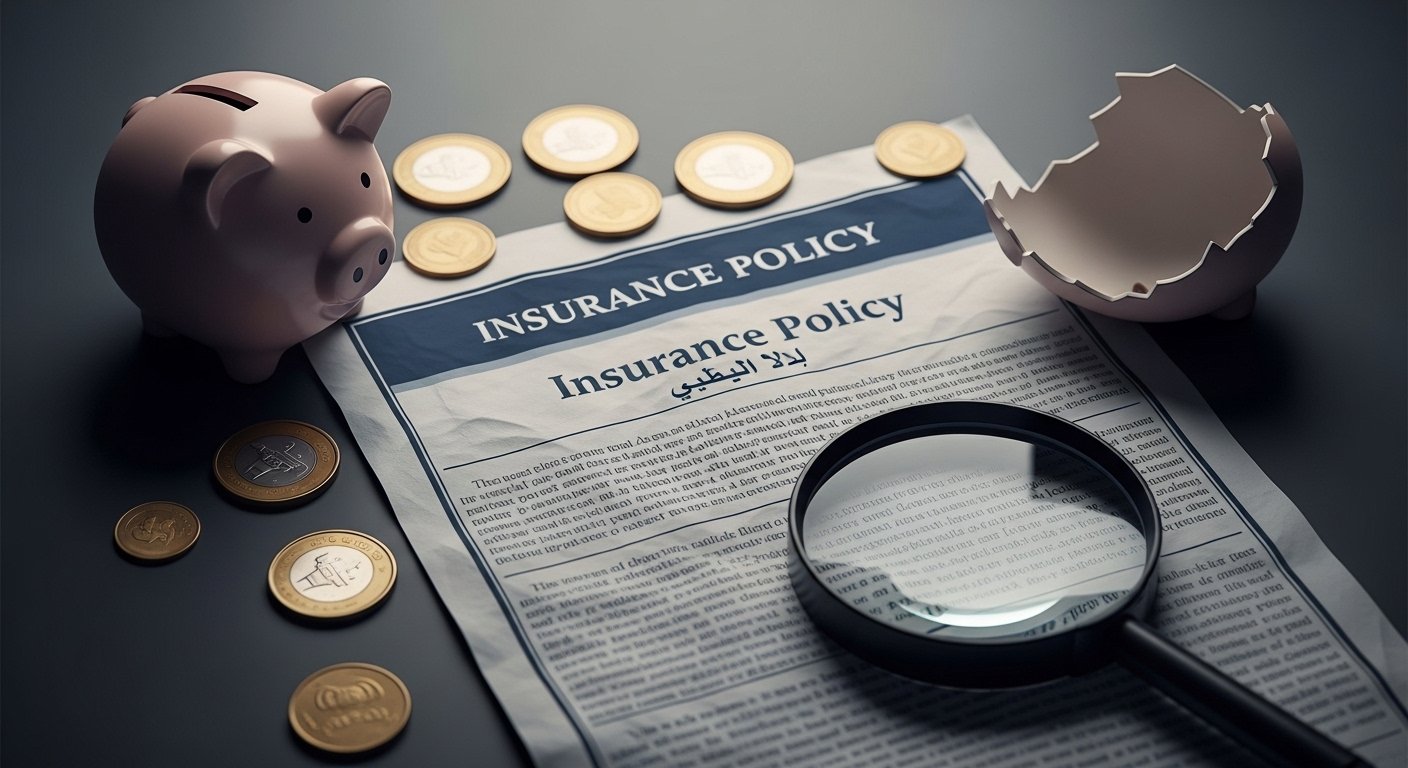
Navigating the Dubai Insurance Market: A Roadmap to Smart Coverage
Dubai’s skyline is a testament to ambition and growth, and protecting your slice of this dynamic city is paramount. Whether it’s your car, health, home, or business, insurance is the essential safety net. Yet, in the rush to secure a policy or the pursuit of the lowest premium, many residents and expatriates fall into common traps that can leave them dangerously under-protected or overpaying. The process of buying insurance in Dubai is nuanced, influenced by local regulations, diverse provider options, and specific personal circumstances. Making an uninformed decision can transform your policy from a protective shield into a costly piece of paper when you need it most. This comprehensive guide is designed to steer you clear of the pitfalls. We will delve into the top 5 mistakes to avoid when buying insurance in Dubai, equipping you with the knowledge to make confident, cost-effective, and secure choices for you and your family.
Mistake #1: Prioritizing Price Over Coverage (The Premium Trap)
This is arguably the most common and potentially devastating error. In a competitive market like Dubai, it’s tempting to simply choose the cheapest quote. However, insurance is not a commodity where all products are equal. A rock-bottom premium often signals minimal coverage, high deductibles (excess), and a list of exclusions longer than Sheikh Zayed Road.
Why This Is a Critical Mistake:
- Coverage Gaps: The cheap policy might exclude key perils specific to the region, such as sandstorm damage for car insurance or specific medical procedures for health insurance.
- Financial Shock at Claim Time: A high deductible means you pay a significant amount out-of-pocket before the insurer contributes. A low premium with a AED 5,000 car repair excess is useless for a fender-bender costing AED 3,000.
- Claim Hassles: Some budget insurers may have cumbersome claim processes, slow approvals, or use non-original parts for repairs, compromising quality.
Actionable Solution: The Coverage-First Approach
- Define Your Needs First: Before getting quotes, list your non-negotiable coverage points. For car insurance, is agency repair important? For health, what is your preferred hospital network?
- Compare Like-for-Like: When reviewing quotes, ensure you are comparing identical levels of coverage, deductibles, and benefits. Use a spreadsheet to track details.
- Value the Insurer’s Reputation: Research the insurer’s claim settlement ratio and customer service reviews. Paying slightly more for peace of mind and reliable service is often a wise investment.
Mistake #2: Not Disclosing Full Information or Misrepresentation
Whether to secure a lower premium or due to simple oversight, failing to provide accurate and complete information on your application is a grave error. Insurance is a contract based on utmost good faith (uberrimae fidei).
The Consequences of Non-Disclosure:
- Claim Denial: This is the most direct consequence. If you fail to disclose a pre-existing medical condition, a past car accident, or a dangerous hobby, the insurer has full grounds to reject a related claim.
- Policy Voidance: In severe cases, the insurer can void your policy from its inception, meaning it’s as if it never existed, and refund your premium, leaving you completely unprotected.
- Legal Complications: In cases of deliberate fraud, there could be legal repercussions.
Actionable Solution: Embrace Full Transparency
- Read the Application Carefully: Answer every question on the proposal form thoroughly and honestly. Don’t assume anything is trivial.
- Declare Pre-Existing Conditions: For health insurance, full medical history disclosure is crucial. You may pay more, but you will have coverage for that condition.
- Update Your Insurer: If your circumstances change (e.g., you modify your car engine, take up a risky sport, or are diagnosed with a new condition), inform your insurer immediately to ensure your policy remains valid.
Mistake #3: Ignoring Policy Wordings and Exclusions
Many people file their policy document away without reading it, focusing only on the certificate of insurance. The devil, as they say, is in the details—and those details are in the policy wording and schedule.
What You Risk by Not Reading:
- Unexpected Exclusions: Policies clearly list what is NOT covered. Common exclusions in Dubai include wear and tear, damage from off-roading (unless specified), and certain high-risk activities.
- Claim Procedure Ignorance: The document outlines the exact steps to follow in case of a claim, including time limits for notification and required documents. Missing a step can jeopardize your claim.
- Unclear Benefits and Limits: You might think you have unlimited medical coverage, only to find a sub-limit for outpatient consultations or specific treatments.
Actionable Solution: Become Your Own Policy Expert
- Allocate Time to Read: Before signing, read the entire policy wording, especially the sections on ‘Coverage’, ‘Exclusions’, ‘Claims Process’, and ‘Insured’s Duties’.
- Ask for Clarification: If any clause is unclear, ask your broker or agent to explain it in plain language. Don’t proceed until you understand.
- Keep it Accessible: Store a digital copy of your policy wording on your phone or cloud so you can reference it anytime, especially in an emergency.
Mistake #4: Overlooking Mandatory and Regulatory Requirements
Dubai has specific insurance regulations that are mandatory for residents. Assuming your home country’s insurance norms apply here is a recipe for non-compliance and financial penalty.
Key Regulatory Pitfalls:
- Third-Party Liability Car Insurance: This is the absolute legal minimum in Dubai. However, it only covers damage to other people and property, not your own vehicle. Opting for only this to save money leaves your car unprotected.
- Employer-Provided Health Insurance: While employers must provide health insurance, the basic plan may be insufficient for your family’s needs. Relying on it without a top-up plan can be a major mistake when buying insurance in Dubai.
- Tenant’s Insurance: While not always mandatory by law, many landlords now require it. Even if not required, it’s highly advisable to protect your personal belongings against fire, theft, or water damage.
Actionable Solution: Know and Exceed the Law
- For Car Insurance: At a minimum, consider a comprehensive policy. It’s not much more expensive than third-party and provides vital protection for your asset.
- For Health Insurance: Review your employer’s policy limits and network. Seriously consider a top-up plan or a separate family policy to ensure access to better hospitals and wider coverage.
- Consult a Professional: Use a registered insurance broker in Dubai. They are experts in local regulations and can guide you on both mandatory and highly recommended covers.
Mistake #5: Failing to Review and Update Policies Annually
Treating insurance as a ‘set-and-forget’ annual expense is a critical error. Your life changes, and your insurance should evolve with it. Automatically renewing the same policy year after year can mean you’re over-insured in some areas and dangerously under-insured in others.
The Cost of Complacency:
- Overpaying: You might be paying for coverage you no longer need (e.g., high-risk add-ons for a car you now rarely drive).
- Under-Insurance: If you’ve purchased new jewelry, electronics, or renovated your home, the sum insured may now be too low, leading to ‘average’ clauses reducing your claim payout.
- Missing Better Deals: The insurance market evolves. New products, discounts for loyalty or safe driving, and competitive offers appear regularly.
Actionable Solution: Implement an Annual Insurance Audit
- Schedule a Review: Mark your calendar 4-6 weeks before each policy’s renewal date.
- Reassess Your Assets and Liabilities: Has the value of your car dropped? Have you had a child? Did you start a home business? Update your sums insured and coverage needs accordingly.
- Shop Around (Even if Loyal): Get at least two or three fresh quotes at renewal time. Use this as leverage to ask your current insurer for a better deal or switch to a more suitable provider.
Frequently Asked Questions (FAQs)
1. Is it better to buy insurance directly from the company or through a broker?
For complex needs (like comprehensive business insurance or high-net-worth personal coverage), a broker is invaluable. They provide impartial advice, compare multiple insurers, and assist with claims. For straightforward policies like basic car insurance, buying direct can be efficient. However, a broker often has access to deals and can still simplify the process for you.
2. What is a ‘no-claims discount’ (NCD) and how do I protect it?
An NCD is a reward for not making any claims, significantly reducing your premium over time. You can protect your NCD by paying a small additional premium. This means you can make a certain number of claims (usually one or two in a year) without losing your accumulated discount. It’s highly recommended once your NCD reaches 30-40%.
3. Can I cancel my insurance policy mid-term?
Yes, but there are usually fees. Insurers typically charge a cancellation fee and refund the remaining premium on a pro-rata basis, minus a short-period rate (a higher daily rate for the time you were covered). Always check the cancellation terms before buying.
4. How does the claims process typically work in Dubai?
For car insurance, you must call the police for any accident (except in designated safe parking areas with minor damage). Then, contact your insurer’s hotline. They will guide you to a repair garage or an approved surveyor. For health insurance, present your insurance card at the network hospital. For other claims, immediately notify your insurer/broker in writing and follow their documented procedure.
5. Are online insurance quotes in Dubai reliable?
Yes, quotes from reputable insurer or broker websites are reliable for initial comparison. However, the final premium may vary slightly after you input all accurate details. Use online quotes as a research tool, but finalize the policy after speaking to a representative to ensure all your specific needs are addressed.
Conclusion: Secure Your Dubai Future with Confidence
Buying insurance in Dubai doesn’t have to be a daunting task filled with hidden risks. By consciously avoiding these top 5 mistakes when buying insurance in Dubai—chasing price over coverage, non-disclosure, ignoring policy details, overlooking regulations, and failing to review—you transform from a vulnerable consumer into an empowered one. Insurance is a strategic purchase for your financial well-being and peace of mind in this vibrant city. Take the time, do the research, ask questions, and partner with reputable professionals. View your annual premium not as an expense, but as an investment in stability, ensuring that your life, health, and assets in Dubai are resilient against the unexpected.
Ready to review your coverage or get a smart, tailored quote? Don’t leave your protection to chance. Contact a licensed Dubai insurance advisor today for a personalized consultation. Ensure your safety net is as strong and dynamic as the city you call home.